


Sankyu Tracking, Delivery & Contact Info
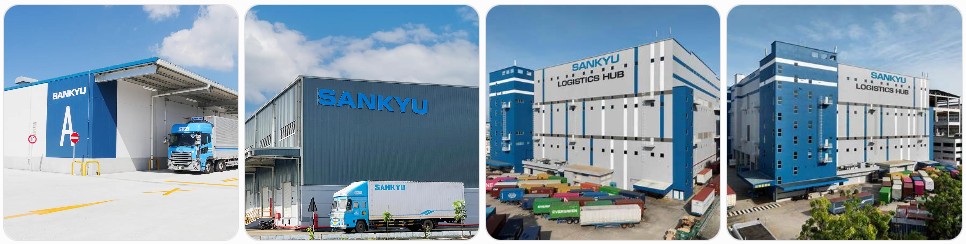
Sankyu is a Japanese logistics and engineering company founded in 1918. Headquartered in Tokyo, Sankyu provides international freight forwarding, warehousing, port transportation, customs support, domestic distribution, plant engineering, equipment installation, and industrial maintenance. The company operates an extensive network across Japan, East Asia, Southeast Asia, India, Europe, the Americas, and the Middle East, serving manufacturers, importers, exporters, and other commercial customers with integrated logistics and engineering solutions.
How to Track Sankyu Package (Where is my Sankyu package?)
Track Sankyu Package & Parcel Here
Sankyu shipments can generally be tracked through its CISS logistics-information portal, a customer account, the shipper, or the transportation partner handling the cargo.
1. Open the official Sankyu Logistics Information CISS portal in your browser.
2. Look for the customer logistics information, shipment inquiry, cargo-status, inventory-information, or login option associated with your service.
3. Sign in using the customer ID, username, password, or other credentials supplied by Sankyu or your company’s logistics administrator. Some detailed shipment information is restricted to registered business customers.
4. Enter the available shipment identifier. Depending on the service, this may be an order number, booking number, waybill number, bill of lading number, container number, air waybill, warehouse reference, delivery order, or customer reference.
5. Check the reference carefully before submitting it. Enter all letters, numbers, hyphens, and other characters exactly as they appear on your shipping documents.
6. Select the appropriate inquiry period, Sankyu business unit, origin, destination, or shipment category when the system asks for additional information.
7. Click the search, inquiry, status, or submit button to retrieve the available shipment record.
8. Review the result for milestones such as booking confirmation, cargo pickup, warehouse receipt, export customs clearance, port acceptance, vessel departure, airport departure, transshipment, import clearance, destination arrival, delivery scheduling, and completed delivery.
9. If the shipment is being transported by a shipping line, airline, railway operator, trucking company, courier, or destination agent, look for a partner-carrier reference in the Sankyu record or shipping documents.
10. Copy the partner carrier’s tracking number and enter it on that carrier’s official website when more detailed transportation scans are available there.
11. For ocean freight, use the bill of lading number, booking number, or container number. The container number normally consists of four letters followed by seven numbers.
12. For air freight, use the master or house air waybill number shown on the airway bill or cargo documents. Airline tracking may provide additional departure, transfer, and arrival information.
13. For warehouse or contract-logistics orders, tracking may appear as inventory activity, order processing, picking, packing, loading, dispatch, or proof of delivery rather than conventional parcel scans.
14. If the CISS portal does not recognize the number, verify that the shipment has been registered and that you are using the correct regional Sankyu company or customer system.
15. Contact the sender, seller, supplier, freight forwarder, or assigned Sankyu representative when you do not have login credentials or are uncertain which reference to enter.
Sankyu primarily handles business freight, industrial cargo, warehousing, international forwarding, and supply-chain contracts rather than ordinary consumer parcels. Consequently, a shipment may not have a standard courier-style tracking number. Updates may instead be connected to a booking, purchase order, bill of lading, air waybill, container, warehouse order, or corporate customer account.
Sankyu Delivery Times & Schedule
Sankyu delivery times depend on the origin, destination, transportation mode, cargo type, customs requirements, warehouse schedule, carrier availability, and customer contract. Domestic road freight may take several business days, while international air freight commonly requires several days plus customs and final delivery. Ocean and multimodal freight can take several weeks. Industrial machinery, oversized cargo, plant equipment, and project shipments may require route surveys, permits, cranes, specialist vehicles, and scheduled installation. Customers should use the estimate on their quotation, booking confirmation, bill of lading, or delivery appointment as the most relevant timetable.
Sankyu Weekday Hours: Sankyu corporate offices and administrative departments generally operate Monday through Friday during normal local business hours. Exact opening times vary by country, branch, warehouse, port facility, logistics center, and customer contract. Warehouses, terminals, factories, transportation hubs, and on-site industrial operations may use early shifts, late shifts, overnight schedules, or continuous operations.
Sankyu Weekend Hours: Saturday and Sunday operations vary by location and service. Some ports, warehouses, distribution centers, trucking operations, factories, and international transportation services continue on weekends. However, corporate offices, sales departments, administrative support, and standard customer-service teams may be closed or operate reduced hours. Weekend pickup or delivery should be confirmed in advance.
Delivery estimates commonly vary by service type:
Domestic road transportation: Regional deliveries may take one to several business days, depending on the collection location, route, cargo size, delivery appointment, and vehicle availability.
Domestic long-distance freight: Shipments moving between distant regions of Japan or another country may take several business days or longer, especially when consolidation, ferry transportation, or multiple terminals are involved.
Air freight: Airport-to-airport transportation may take approximately one to five days on many routes. Collection, export clearance, security screening, flight schedules, import clearance, and final delivery add additional time.
Ocean freight: Port-to-port transportation can take one to several weeks or longer. Total delivery time is affected by vessel schedules, port congestion, transshipment, customs clearance, container release, and inland transportation.
Rail freight: Domestic and international rail transportation may take several days to multiple weeks, depending on the route, border processing, terminal transfers, and onward trucking arrangements.
Warehousing and distribution: Processing time depends on inventory availability, order cutoff times, picking requirements, packaging, labeling, inspection, value-added services, and the customer’s fulfillment agreement.
Multimodal transportation: Delivery time depends on the combined road, rail, sea, air, terminal, warehouse, and customs stages included in the transportation plan.
Heavy machinery and project cargo: Specialized shipments may require several weeks or months of planning. Sankyu may need to arrange engineering studies, permits, escorts, cranes, temporary storage, disassembly, installation, and commissioning.
Plant and factory logistics: Delivery and equipment-movement schedules are coordinated with plant shutdowns, maintenance periods, production requirements, safety rules, and customer-approved work plans.
Weather, typhoons, earthquakes, snow, port congestion, labor disruptions, public holidays, customs inspections, missing documents, equipment shortages, vessel delays, flight cancellations, and consignee availability can extend the expected delivery time.
Sankyu Contact & Customer Service Info
Customers can contact Sankyu’s headquarters, logistics division, online inquiry service, or the appropriate regional branch for shipment, quotation, documentation, delivery, and service assistance.
• Phone number: +81 3 3536 3939 for Sankyu’s General Affairs Department; +81 3 4334 3809 for logistics quotation requests; or +81 3 3536 3927 for other logistics inquiries.
• Email: Sankyu does not prominently publish one general public customer-service email address. Use the official Sankyu contact form for written inquiries.
• Mailing Address: Sankyu Inc., 5-23 Kachidoki 6-chome, Chuo-ku, Tokyo 104-0054, Japan
• Contact Page: Sankyu Contact Us
• Tracking Portal: Sankyu Logistics Information CISS
• Social Medias: Visit the official Sankyu LinkedIn page. Availability of other official regional social-media accounts varies by country and Sankyu subsidiary.
When contacting Sankyu, provide the customer or company name, Sankyu branch, account number, booking number, waybill, air waybill, bill of lading, container number, purchase order, origin, destination, cargo description, pickup date, expected delivery date, and a clear explanation of the issue. Include relevant documents, invoices, packing lists, photographs, and screenshots when appropriate.
Sankyu FAQ
Is there a Sankyu location or branch near me?
Sankyu operates branches, logistics centers, warehouses, port facilities, subsidiaries, and partner locations across Japan and many international markets. Visit the official Sankyu global network page to find contact details for companies and offices in East Asia, Southeast Asia, India, Europe, the Americas, and the Middle East. Customers in Japan can also contact the main office or use the official inquiry form for referral to the appropriate branch.
Can Sankyu ship or deliver to a PO Box?
Sankyu primarily transports commercial freight, containers, pallets, industrial materials, machinery, and warehouse orders that require a physical business, warehouse, port, terminal, factory, or residential delivery address. Direct PO Box delivery is generally unsuitable for freight. It may be possible only when a postal or final-mile carrier accepts the package after handoff. Confirm eligibility before shipping.
Can I pick up a Sankyu package?
Pickup may be available from a Sankyu warehouse, terminal, logistics center, port facility, or destination agent when authorized in advance. Do not arrive without confirmation. Ask whether the cargo has cleared customs, whether it has been released, where it is stored, which identification and documents are required, and whether storage, terminal, handling, or demurrage charges apply.
What time does Sankyu open? (Sankyu Opening Hours)
Opening hours vary by office, branch, warehouse, port, logistics center, factory site, and country. Corporate and administrative offices normally follow weekday business hours, while some transportation, warehousing, port, and industrial operations run extended shifts or 24-hour schedules. Contact the relevant facility before visiting.
Does Sankyu deliver or pickup on Sunday or Saturday?
Weekend service depends on the customer contract, branch, warehouse schedule, destination, cargo type, receiving appointment, and transportation partner. Some port, warehouse, line-haul, factory, and international freight operations continue on weekends. Standard office support and routine commercial deliveries may be unavailable unless arranged in advance.
Why is my Sankyu tracking number not working?
The number may not yet have been registered, may belong to a restricted customer system, or may need to be entered on a partner carrier’s website. Confirm whether you received an order number, booking number, waybill, air waybill, bill of lading, container number, warehouse reference, or final-mile tracking number. Contact the sender or assigned Sankyu representative when uncertain.
Does Sankyu have public tracking for every shipment?
No. Sankyu’s CISS system and other logistics platforms are primarily designed for business customers. Some shipment details may require a customer account and password. Certain shipments are tracked through a shipping line, airline, trucking company, courier, customs broker, or destination agent rather than through an unrestricted public Sankyu page.
What is Sankyu CISS?
CISS is Sankyu’s customer logistics-information system. It provides logistics, shipment, cargo, inventory, warehouse, and related operational information to authorized customers. The features available depend on the customer agreement, Sankyu division, country, and type of service.
How do I obtain a Sankyu CISS account?
Contact your Sankyu sales representative, account manager, local branch, or corporate logistics administrator. Access is normally issued to customers with an active service agreement. Sankyu may require company information, an authorized contact, shipment details, and acceptance of account-security requirements.
What should I do if I forgot my Sankyu CISS password?
Use any password-reset or support option displayed on the login page. When no reset option is available, contact your company’s CISS administrator or Sankyu representative. For security reasons, Sankyu may need to verify your company, username, registered email address, and customer account.
Is Sankyu a parcel courier?
Sankyu is primarily an integrated logistics, freight-forwarding, warehousing, port-transportation, and engineering company. It is not generally positioned as a conventional consumer parcel courier. A small package may travel through Sankyu’s network, but the final delivery could be completed by a local postal operator or courier.
What services does Sankyu provide?
Sankyu’s services include ocean freight, air freight, land transportation, international forwarding, customs-related support, port operations, warehousing, inventory management, distribution, contract logistics, packaging, project cargo, heavy machinery transportation, factory logistics, plant engineering, construction, equipment installation, maintenance, and industrial operational support.
Does Sankyu ship internationally?
Yes. Sankyu operates an international network covering Japan, China, South Korea, Taiwan, Hong Kong, Southeast Asia, India, Europe, North America, South America, Mexico, and the Middle East. Service availability depends on the origin, destination, cargo, trade restrictions, customs regulations, and local Sankyu company.
Can individuals use Sankyu?
Most Sankyu services are designed for companies, manufacturers, importers, exporters, industrial plants, and commercial supply chains. Individuals may be able to arrange certain moving, freight, or project-logistics services through a regional company, but availability is not guaranteed. Contact the local Sankyu branch with the cargo details before making plans.
How do I track a Sankyu ocean shipment?
Find the booking number, bill of lading number, or container number on your shipping documents. Check the Sankyu CISS portal or customer account first. When the vessel operator is identified, enter the relevant reference on the shipping line’s official tracking website. Your Sankyu representative can provide vessel, port, transshipment, customs, and release information.
How do I track a Sankyu air-freight shipment?
Locate the master air waybill or house air waybill number. Check the Sankyu customer system or contact the forwarding office. When the airline name and master air waybill are available, use the airline’s official cargo-tracking website for flight departure, transfer, arrival, and cargo-availability updates.
How do I track a Sankyu container?
Enter the container number in the available Sankyu or shipping-line tracking system. A standard container number contains four letters and seven digits. Confirm that the letters and numbers are entered correctly. The shipping line may provide vessel, terminal, transshipment, discharge, and empty-return details.
What does “booking confirmed” mean?
“Booking confirmed” means transportation space or a logistics service has been reserved. It does not necessarily mean that Sankyu or the carrier has physically received the cargo. Pickup, warehouse receipt, port acceptance, or departure updates should follow.
What does “cargo received” mean?
This status generally means the cargo has been accepted at a warehouse, terminal, port, airport, factory, or other handling facility. It may still be awaiting inspection, consolidation, customs clearance, loading, or departure.
What does “in transit” mean?
“In transit” means the shipment is moving through the transportation network or waiting for the next scheduled connection. It may be on a truck, train, vessel, or aircraft, or temporarily stored at a warehouse, terminal, port, airport, or customs facility.
What does “customs clearance in progress” mean?
The shipment and its documents are being reviewed by customs or another government authority. Sankyu, the customs broker, shipper, or importer may need to provide invoices, packing lists, permits, certificates, product classifications, or payment of duties and taxes before release.
What does “available for pickup” mean?
The shipment has generally arrived and may be ready for collection after all release requirements are completed. Confirm the pickup address, hours, identification requirements, delivery order, customs release, storage charges, vehicle requirements, and loading arrangements before visiting.
Why has my Sankyu shipment stopped updating?
Tracking may pause while cargo is traveling between scanning points, at sea, awaiting a flight or vessel connection, undergoing customs inspection, held at a terminal, or being transferred to a partner carrier. Freight shipments may receive fewer scans than courier parcels. Contact Sankyu when the shipment exceeds the expected transit interval.
Can I change the delivery address after dispatch?
An address change may be possible, but approval may be required from the shipper, consignee, Sankyu, customs broker, warehouse, carrier, and destination agent. The change may cause additional transportation, customs, handling, storage, documentation, or redelivery charges. Submit the request as early as possible.
Can I reschedule a Sankyu delivery?
Many commercial freight deliveries are appointment-based. Contact the assigned Sankyu coordinator before the scheduled delivery time. Rescheduling depends on vehicle availability, warehouse capacity, receiving hours, cargo dimensions, customs release, permits, equipment requirements, and the transportation contract.
Can Sankyu hold my shipment at a warehouse?
Temporary storage may be available, depending on the location, cargo, warehouse capacity, customs status, and customer agreement. Storage fees, handling charges, customs restrictions, demurrage, detention, and insurance conditions may apply. Obtain written confirmation of the costs and release procedure.
Does Sankyu provide proof of delivery?
Proof of delivery may be available for completed shipments. Depending on the service, it may include the delivery date, receiving location, recipient name, signature, company stamp, electronic acknowledgment, warehouse receipt, photographs, or unloading confirmation. Request it through your account or Sankyu representative.
What documents may be required to collect a Sankyu shipment?
Requirements may include government-issued identification, an authorization letter, delivery order, bill of lading, air waybill, cargo-release notice, customs-clearance documents, company stamp, payment receipt, vehicle details, container-release document, and shipment reference. Confirm the exact requirements with the facility.
Does Sankyu handle customs clearance?
Sankyu’s international logistics services may include customs-clearance support or coordination with licensed customs brokers. The exact responsibility depends on the country, contract, cargo classification, trade terms, and applicable regulations. Confirm whether brokerage, inspections, permits, duties, taxes, and documentation are included in the quotation.
Does Sankyu transport hazardous materials?
Sankyu may handle certain regulated or dangerous goods when the route, facility, carrier, and local regulations permit it. The shipper must disclose the cargo accurately and provide safety data sheets, classifications, packaging certificates, labels, declarations, permits, and emergency information. Acceptance must be confirmed before shipping.
Does Sankyu transport oversized or heavy cargo?
Yes. Sankyu provides project logistics, heavy machinery transportation, industrial relocation, equipment installation, and plant-engineering support. Oversized cargo may require route surveys, specialized trailers, cranes, escorts, lifting plans, permits, port coordination, temporary storage, and detailed safety procedures.
Does Sankyu offer warehousing and fulfillment?
Sankyu operates logistics centers and warehouses that may provide storage, inventory management, receiving, inspection, sorting, packaging, labeling, picking, consolidation, distribution, and other value-added services. Exact capabilities vary by facility and customer contract.
Can Sankyu move factory equipment or an entire production line?
Sankyu specializes in industrial and plant logistics, including dismantling, transportation, installation, alignment, maintenance, and operational support. Complex relocation projects are individually planned according to the equipment, factory schedule, safety requirements, destination, and engineering work involved.
What should I do if my Sankyu shipment arrives damaged?
Inspect the cargo before signing an unconditional delivery receipt. Photograph the packaging, labels, seals, pallets, container, equipment, and damaged goods. Record the damage on the delivery document, retain all packaging, notify the shipper and Sankyu immediately, and request written claim instructions.
What should I do if part of my shipment is missing?
Compare the delivered quantity with the packing list, invoice, pallet count, container seal record, warehouse record, and delivery receipt. Note any shortage before signing, take photographs, preserve all documents, and notify Sankyu and the shipper promptly. Freight claims are normally subject to contractual reporting deadlines.
What should I do if a container seal is broken or incorrect?
Do not unload the cargo until the situation has been documented and reported. Photograph the seal, container doors, container number, surrounding area, and delivery documents. Record the discrepancy on the interchange or delivery receipt and notify Sankyu, the carrier, shipper, consignee, customs broker, and insurer as required.
Who pays duties, taxes, storage, or customs charges?
Responsibility depends on the sales contract, Incoterms, customs arrangements, and Sankyu service agreement. The shipper, consignee, importer, or another authorized party may be responsible. Ask for a written breakdown before shipping, particularly for duties, taxes, brokerage, terminal fees, storage, demurrage, and detention.
What information should I include when contacting Sankyu support?
Include the customer or company name, Sankyu branch, account number, booking number, order number, waybill, air waybill, bill of lading, container number, origin, destination, cargo description, pickup date, expected delivery date, and a concise explanation of the issue. Attach relevant shipping documents, invoices, packing lists, photographs, and screenshots.
Summary
Sankyu is an international logistics and engineering company specializing in freight forwarding, warehousing, transportation, port operations, industrial cargo, and plant support. Customers can check shipments through the CISS logistics-information portal, their business account, or a partner carrier. Delivery schedules and support options vary by service, route, cargo, branch, and customer contract.
Recent Articles
- Fresh Freight Tracking, Delivery & Contact Info
- Fliway Tracking, Delivery & Contact Info
- Team Global Express Tracking, Delivery & Contact Info
- Pilot Freight Services Tracking, Delivery & Contact Info
- Seino Transportation Tracking, Delivery & Contact Info
- view all articles...
Popular Articles
 Australia Post Delivery Times & Schedule in My Area
  Canada Post Delivery Times & Schedule in My Area
  4PX Tracking, Delivery & Contact Info
  CODExpress Australia Tracking, Delivery & Contact Info
  Lazada Express (LEX) Philippines Tracking, Delivery & Contact Info
  An Post Delivery Times & Schedule in My Area
  YTO Express Tracking, Delivery & Contact Info
  JD Logistics Tracking, Delivery & Contact Info
  Delhivery Tracking, Delivery & Contact Info
  Yunexpress Tracking, Delivery & Contact Info